You just saw the Anthropic announcement. Claude Sonnet 5.5 is out, and the pricing page says $2 per million input tokens and $10 per million output tokens. The same numbers as Sonnet 5. So where are the savings? They hide in three places: token efficiency, prompt caching, and model routing. This guide breaks each one down with real numbers so you can decide if the upgrade is worth your budget.
What does Claude Sonnet 5.5 cost per token?
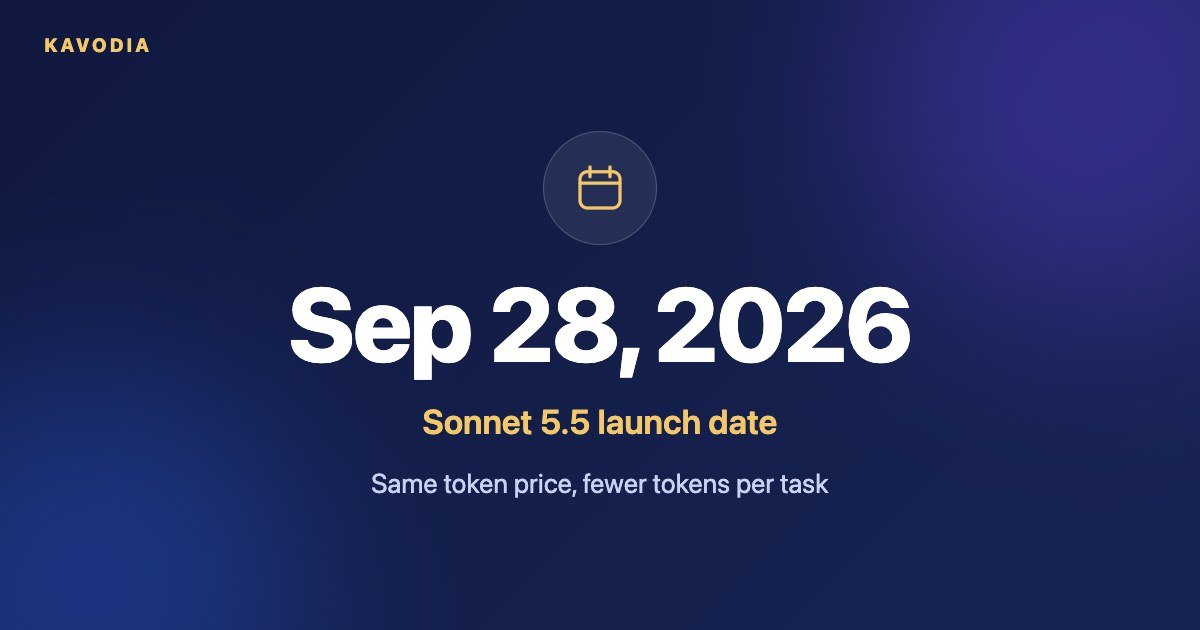
Anthropic published the list price on September 28, 2026, when Sonnet 5.5 launched. Input tokens cost $2 per million. Output tokens cost $10 per million. Those rates match the previous Sonnet 5 model. On paper, nothing changed. In practice, the bill drops because the model needs fewer tokens to finish each task. Anthropic reports up to 30% lower cost per task compared to Sonnet 5.
Imagine you run a customer support bot that drafts replies. If each reply used 800 output tokens with Sonnet 5, Sonnet 5.5 might finish the same reply in 560 tokens. Over thousands of messages a month, that gap adds up fast.
How does prompt caching reduce the bill?
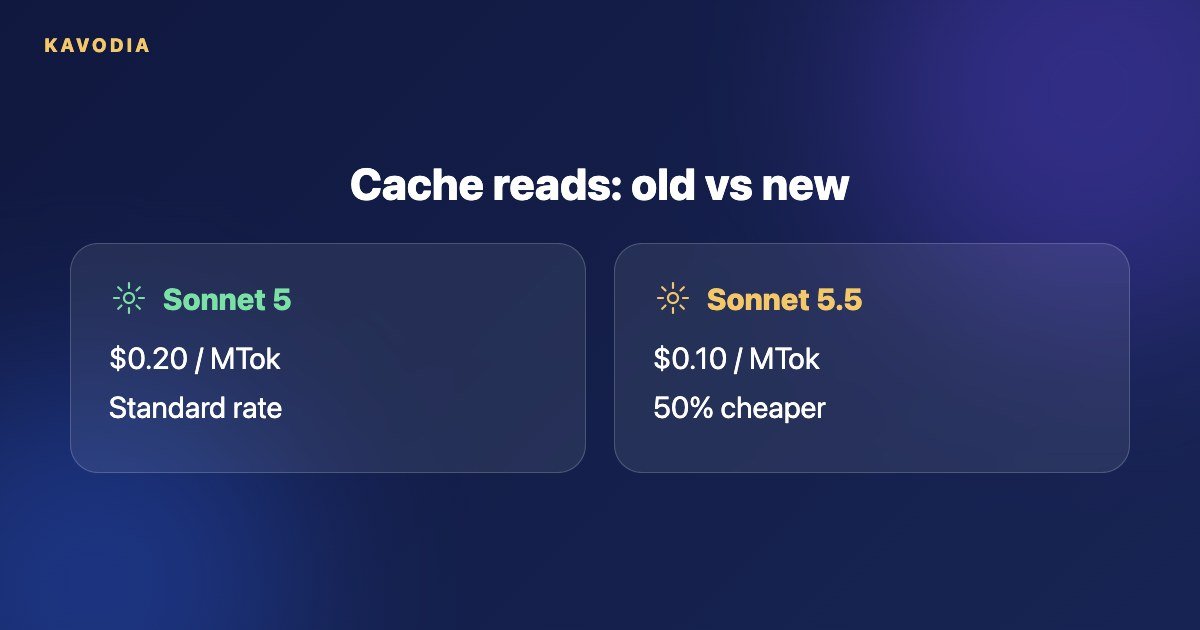
Prompt caching stores the first part of your request so the model does not reprocess it every time. Sonnet 5 charged $0.20 per million tokens for a cache read. Sonnet 5.5 cuts that to $0.10 per million tokens. That is a 50% drop on cached input.
I recommend caching for any workflow where a large system prompt or reference document stays the same across calls. Put your static instructions at the top of the prompt. Keep the variable part at the end. Every follow-up call then pays $0.10 per million instead of $2 per million for the cached section.
Let's take an example. A legal tech startup sends a 50,000 token contract template with every query. Without caching, each call pays $0.10 in input costs for that block alone. With caching on Sonnet 5.5, the same block costs $0.005 per call after the first write. Over 1,000 calls a day, the monthly saving on that single block is roughly $2,850.
What is the difference between input and output tokens?
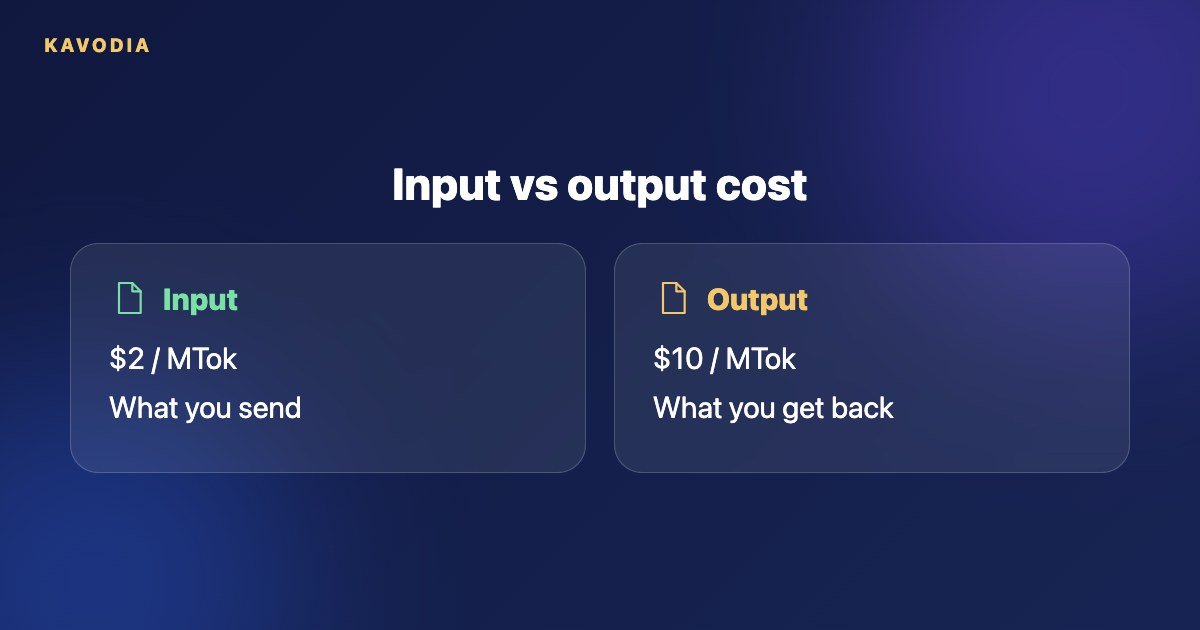
Input tokens are the words you send to the model. Output tokens are the words the model writes back. Output costs five times more than input on Sonnet 5.5 ($10 versus $2 per million). This ratio matters because a verbose model drains your budget on the expensive side.
Sonnet 5.5 is built to be concise. Anthropic states it avoids unnecessary over-explanation and tighter tool-calling loops. That keeps output token counts lower without losing quality. Imagine two chatbots answering the same question. One writes 300 words. The other writes 180 words with the same accuracy. The shorter answer costs 40% less in output tokens.
How does Sonnet 5.5 compare to Opus 5.5 and Haiku 5.5?
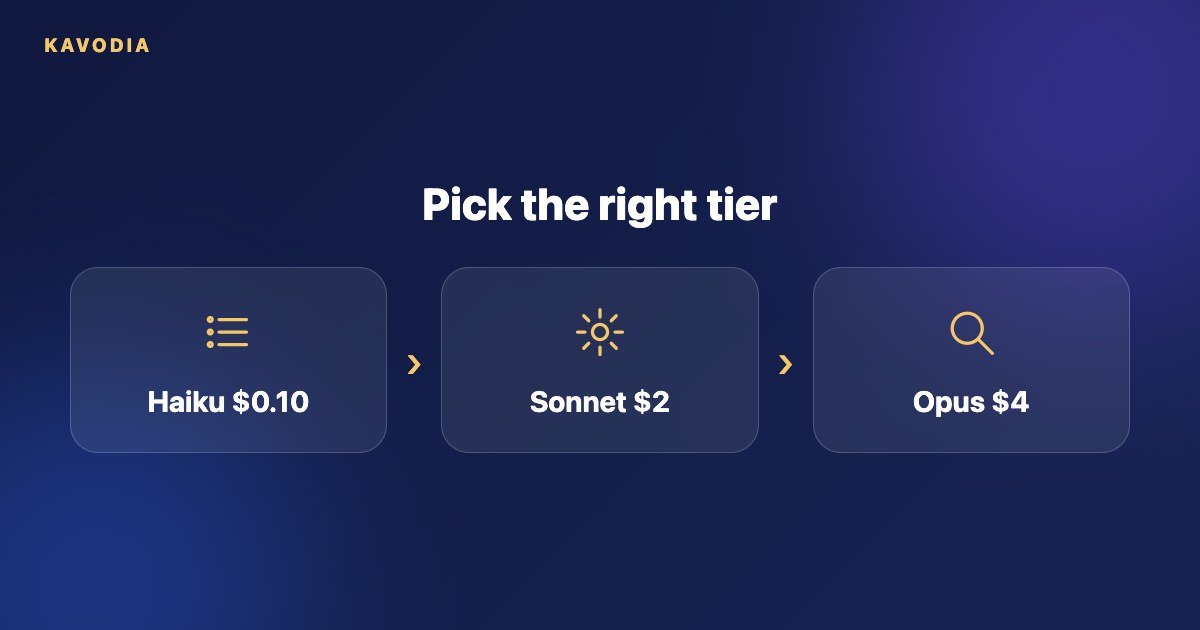
Anthropic sells three active model tiers. Haiku 5.5 is the cheapest at $0.10 per million input tokens and $0.50 per million output tokens for prompts under 100,000 tokens. Sonnet 5.5 sits in the middle at $2 and $10. Opus 5.5 is the most expensive at $4 per million input tokens and $20 per million output tokens.
I suggest a simple routing rule. Send classification, formatting, and short extraction tasks to Haiku 5.5. Send coding, reasoning, and document generation to Sonnet 5.5. Reserve Opus 5.5 for open-ended research or tasks where every point of accuracy matters. Imagine a freelance developer building a code review tool. That developer could route 70% of calls to Haiku and 30% to Sonnet. The blended average would sit well below $2 per million input tokens.
Is Sonnet 5.5 cheaper than GPT-4o?
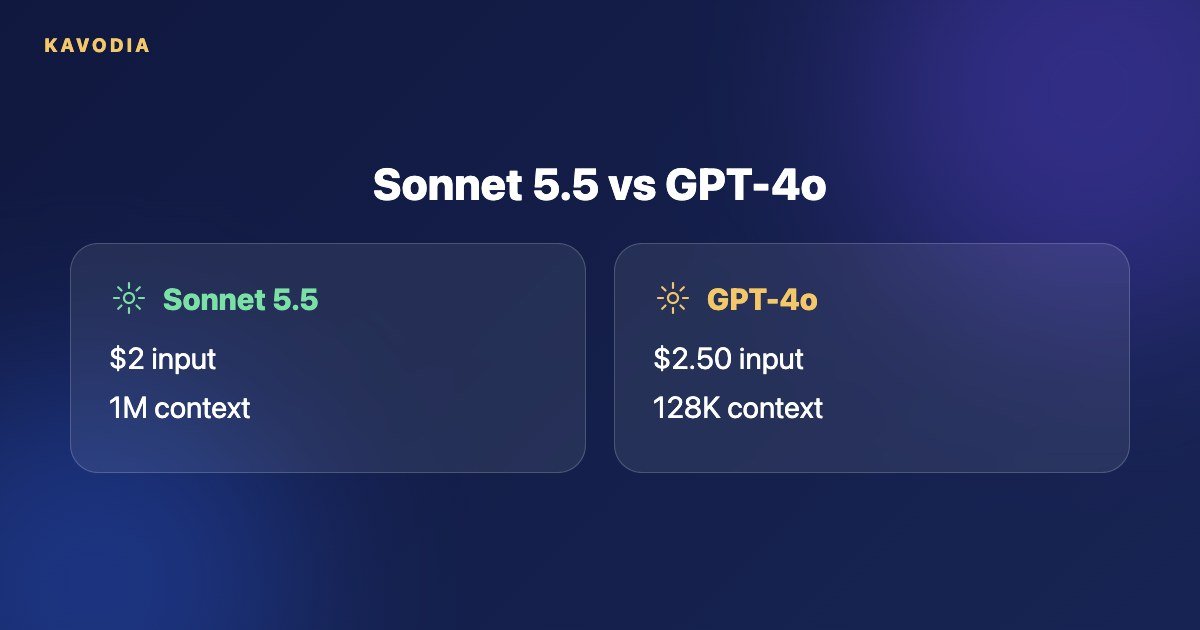
The raw token price is close. GPT-4o charges roughly $2.50 per million input tokens and $10 per million output tokens. Sonnet 5.5 charges $2 and $10. On input alone, Sonnet 5.5 is 20% cheaper. On output, both cost the same.
The real gap shows up in context size and caching. Sonnet 5.5 offers a 1,000,000 token context window. GPT-4o supports 128,000 tokens. If your task needs a large codebase or a long document in context, GPT-4o forces you to split the request into several calls. Each call pays full input price. Sonnet 5.5 handles it in one shot, often with cached sections paying only $0.10 per million.
What does the Batch API save?
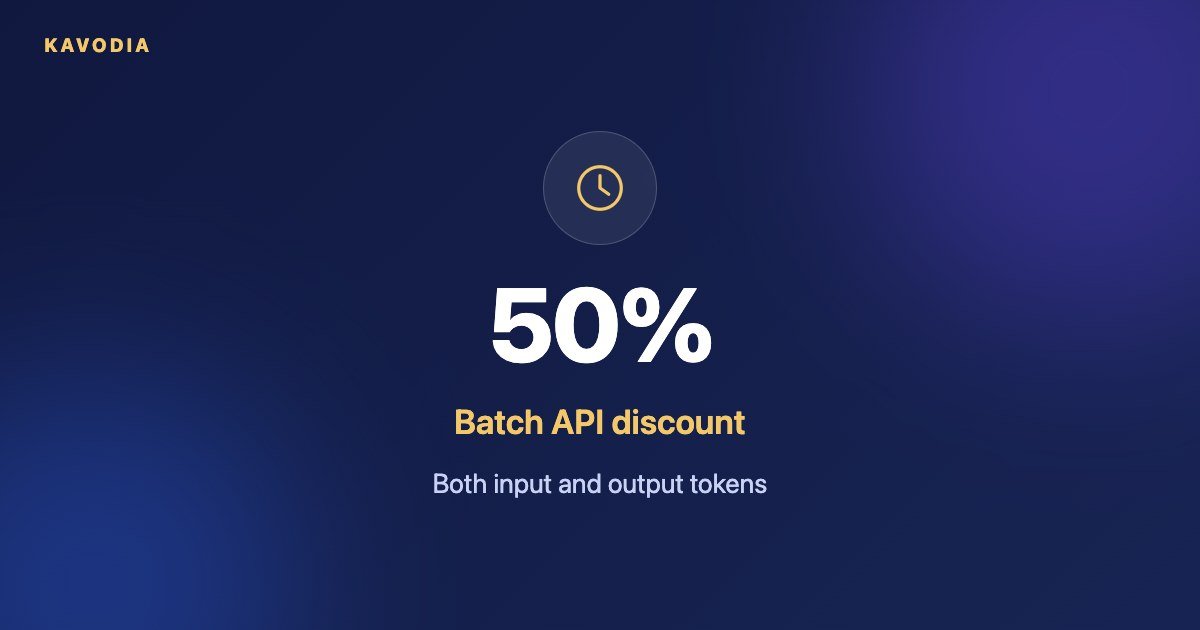
Anthropic offers a Batch API with a flat 50% discount on both input and output tokens. Batch input drops to $1 per million. Batch output drops to $5 per million. The trade-off is latency: batch requests do not return instantly. They run when capacity is available.
Use batch processing for any task that does not need a real-time answer. Nightly code reviews, bulk email categorization, or weekly report generation are good fits. Imagine a media company that classifies 10,000 articles every night. Running that through the Batch API instead of the standard endpoint cuts the monthly bill in half.
How many tokens does a typical task use?
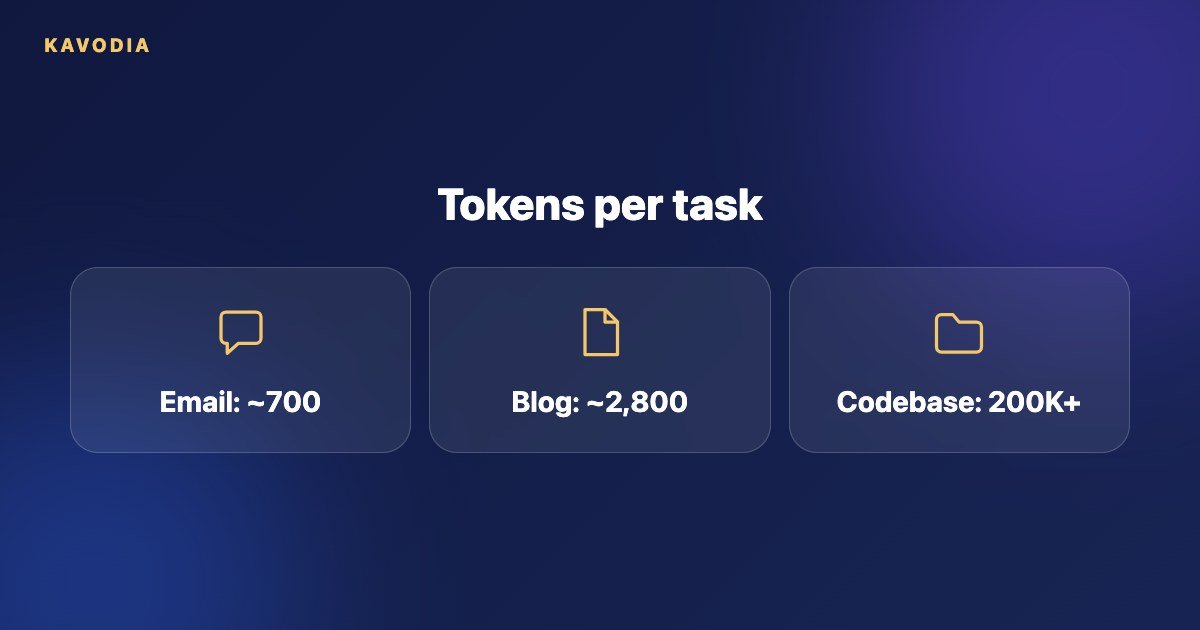
A token is roughly four characters in English. A 500 word email is about 700 tokens. A 2,000 word blog post is around 2,800 tokens. A full codebase of 50 files could reach 200,000 tokens as input.
The cost per task depends on both input and output. Writing a short email reply (700 input tokens, 400 output tokens) costs less than a cent. Reviewing a 200,000 token codebase and producing a 3,000 token report costs roughly $0.43 on Sonnet 5.5 at standard rates. With prompt caching and batch, that same review could drop below $0.10.
What changed in speed and benchmarks?
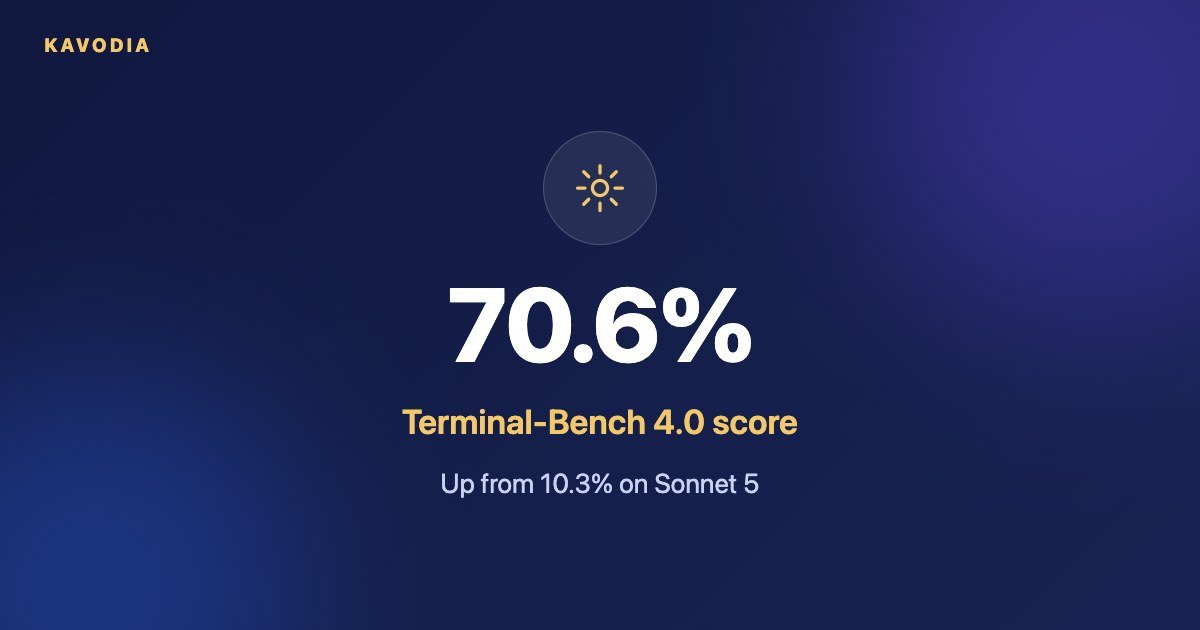
Sonnet 5.5 runs 30% faster than Sonnet 5, according to Anthropic. On Terminal-Bench 4.0, an agentic coding benchmark, Sonnet 5.5 scores 70.6%. Sonnet 5 scored 10.3% on the same test. The jump is massive. On GDPval-AA v2.1, a knowledge work benchmark, Sonnet 5.5 reaches 1,844 Elo, just 2 points behind Opus 5.5.
Speed matters for cost because faster responses free up infrastructure sooner. If you pay for cloud compute by the second, a 30% speed gain translates into lower hosting bills on top of lower token bills.
Should you switch from Sonnet 5 right now?
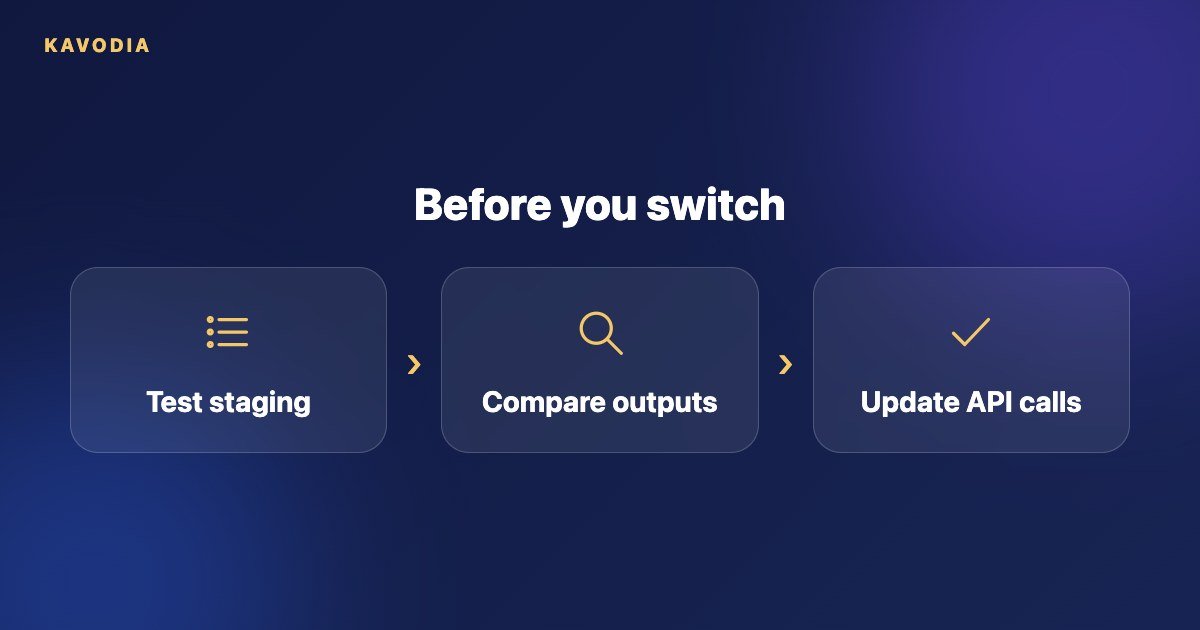
I would say yes for most use cases, with one caveat. Sonnet 5.5 introduced structural changes to how features like forced tool use and up-front thinking blocks work. If you built a production app on Sonnet 5, swapping the model string is not enough. You may need to update API calls to avoid 400 errors.
Test in a staging environment first. Run your ten most common prompts. Compare output quality and token counts. If results match or improve, switch your production traffic. Budget a few hours of engineering time for the API adjustments.
How do you keep your Claude bill under control?
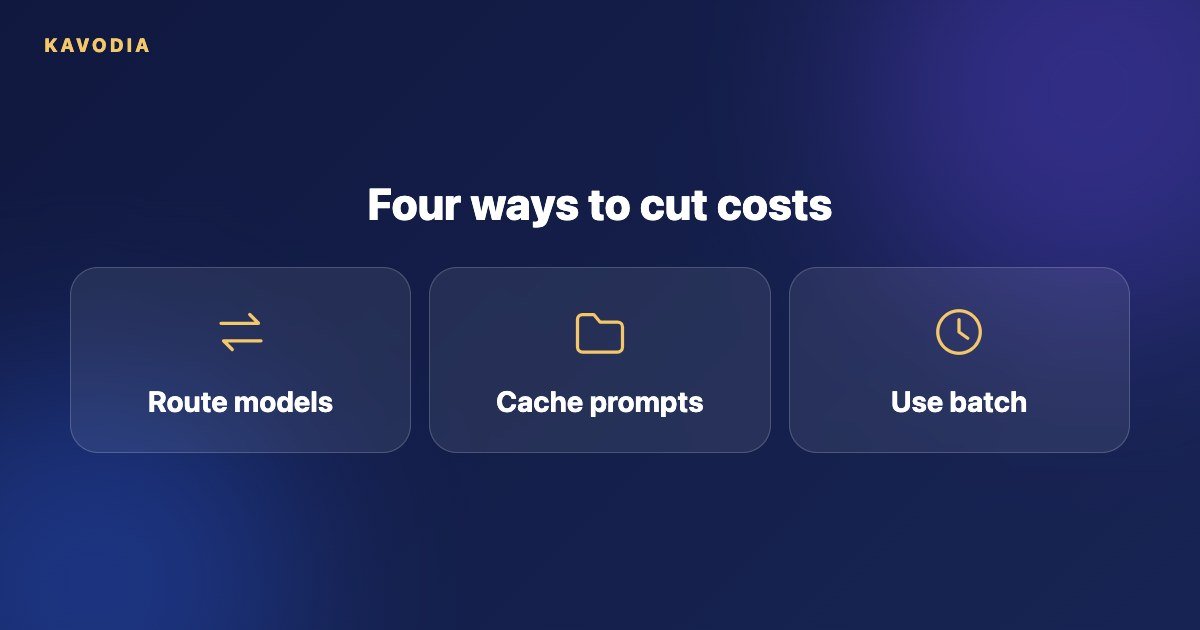
Start with model routing. Not every request needs Sonnet 5.5. Haiku 5.5 handles simple tasks at 5% of the price. Next, enable prompt caching for any static context block longer than a few hundred tokens. Third, use the Batch API for anything that can wait. Fourth, trim your system prompts. A 5,000 token instruction file charges you on every single message. Cut it to 1,000 tokens and you save $0.008 per call in input costs alone.
I also recommend starting fresh conversations instead of extending long threads. Every follow-up message resends the entire conversation history. A 50 message thread can accumulate hundreds of thousands of input tokens in total. Breaking it into shorter threads keeps each call lean.
Does the context window size affect your costs?
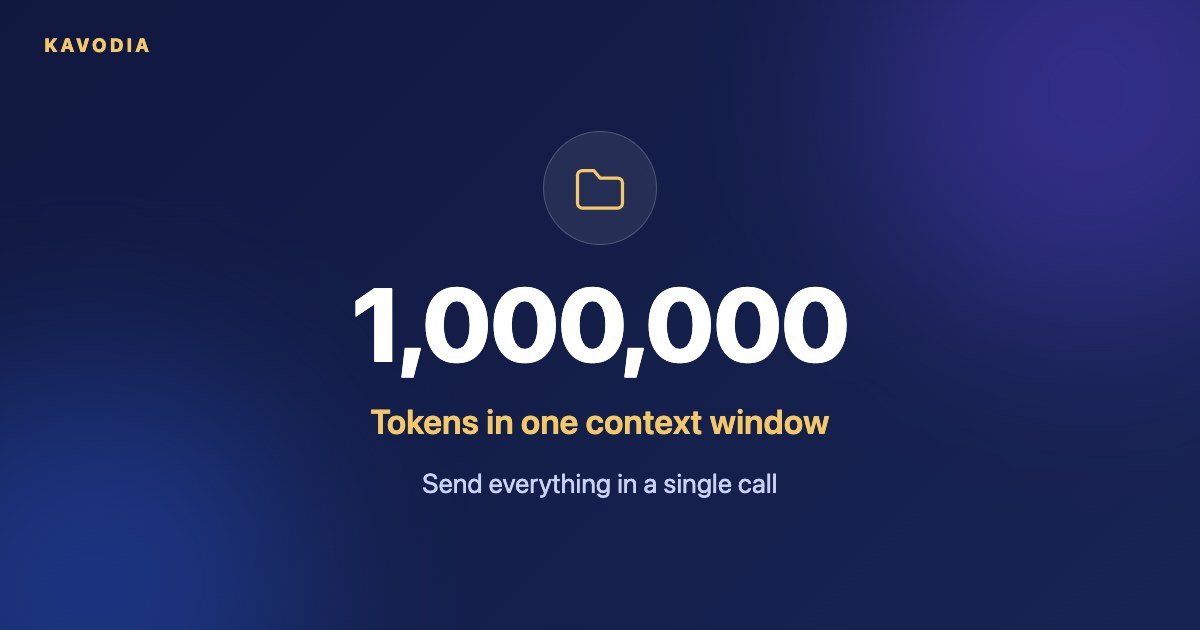
Sonnet 5.5 supports a 1,000,000 token context window. That means you can feed an entire codebase, a full legal contract, or a long research paper in a single call. Older models with smaller windows forced users to split documents across multiple requests. Each request paid full input price.
With a million token window, you send everything once. If you cache the static part, follow-up calls only pay $0.10 per million for the cached section. This is where large context becomes a direct cost advantage, not just a convenience feature.
Imagine a data analyst reviewing a 300 page report. With a 128K token window, they need three separate calls. Each call sends overlapping context to maintain continuity. The overlap alone can add 30% to total input costs. Sonnet 5.5 handles the full report in one pass.
How does extended thinking change the price?
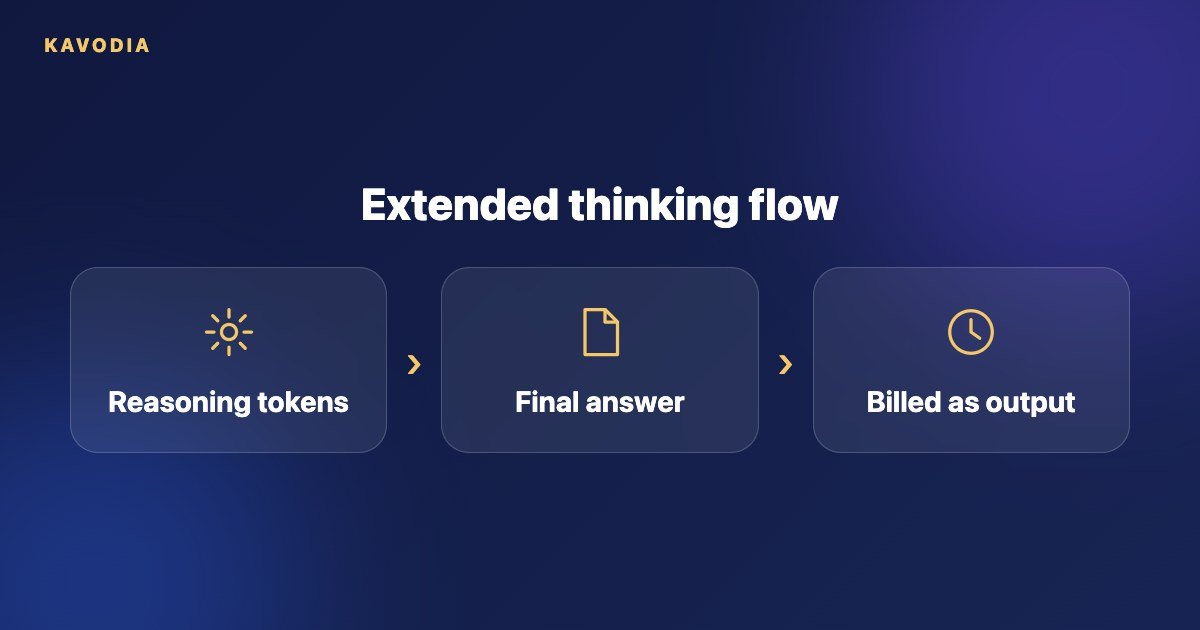
Sonnet 5.5 includes adaptive thinking. The model can reason step by step before answering. This produces better results for complex problems. The trade-off is that reasoning steps generate additional output tokens. Those tokens are billed at the standard $10 per million rate.
For a simple question, the model might skip extended thinking entirely. For a multi-step coding problem, it might produce 2,000 tokens of reasoning before the final 500 token answer. Your bill then reflects 2,500 output tokens instead of 500. I recommend setting a maximum token budget on complex calls so the reasoning does not spiral beyond what your task needs.
A product manager asking Claude to debug a pricing algorithm, for example, might see 1,200 tokens of reasoning and 800 tokens of final code. Total output cost for that call: about $0.02. Reasonable for a bug fix that would take a human developer an hour.
What about the Claude Pro, Max, and Ultra subscriptions?
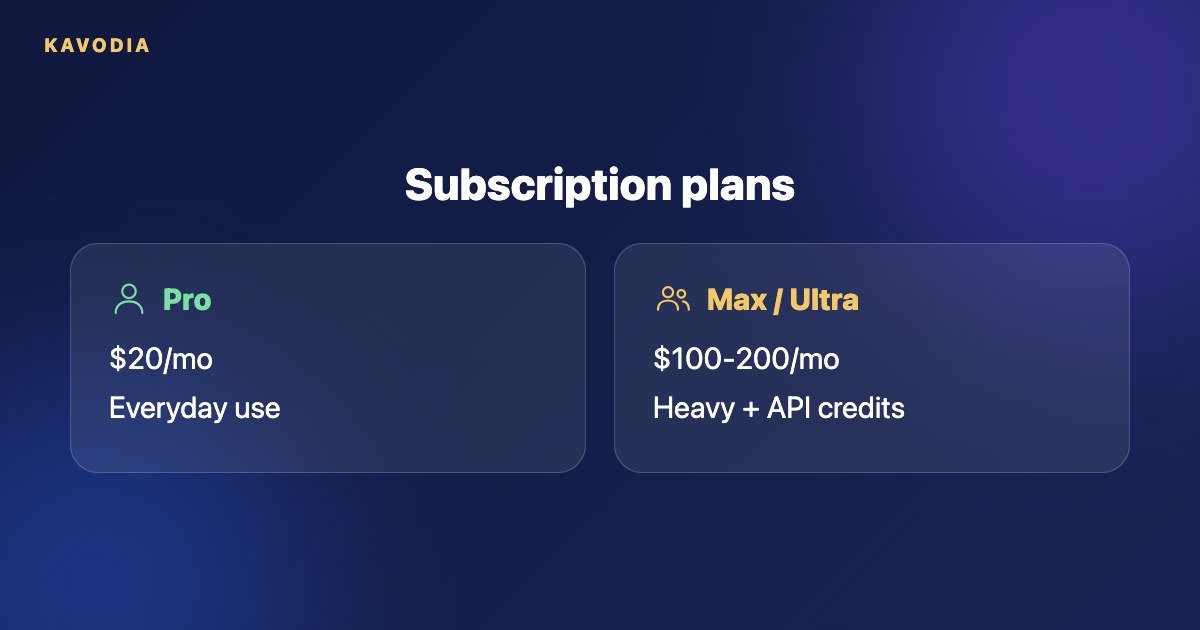
Not everyone uses the API. Anthropic offers monthly plans on claude.ai. The Free tier gives limited access. Pro costs $20 per month and includes everyday use of Sonnet 5.5. Max costs $100 per month and adds higher message limits. Ultra costs $200 per month and includes maximum limits plus monthly API credits.
If you send fewer than 200 messages a day, Pro is likely enough. If you run automated tasks or long coding sessions, Max or Ultra might save money compared to raw API billing. A solo consultant who uses Claude for drafting proposals and reviewing contracts, for instance, would likely stay under the Pro limit.
FAQ
Is Claude Sonnet 5.5 free to use?
You can try Sonnet 5.5 on the free tier of claude.ai with limited messages. For unlimited API access, you pay $2 per million input tokens and $10 per million output tokens. The Pro subscription at $20 per month also gives access without per-token billing, within the plan limits.
How much does a 10,000 word document cost to process?
A 10,000 word document is roughly 14,000 tokens. Sending it as input costs about $0.028 at $2 per million. If the model writes a 2,000 word summary (about 2,800 output tokens), that adds $0.028 in output costs. Total: roughly $0.056 before any caching discount.
Can I use Sonnet 5.5 on AWS or Google Cloud?
Yes. Anthropic makes Sonnet 5.5 available on Amazon Bedrock, Google Cloud Vertex AI, and Microsoft Foundry. Pricing on those platforms may include a small infrastructure markup. Check each provider for exact rates.
Does extended thinking cost extra?
Extended thinking and adaptive reasoning are built into Sonnet 5.5. There is no separate fee for the feature. The cost comes from the extra output tokens the model generates during its reasoning process. Longer reasoning means more output tokens billed at $10 per million.